Mixed plastics
For non-edible planters
Hard-to-recycle mixed plastic becomes sturdy ornamental and non-food planters — keeping material in use instead of in a dump.


How it works
A simple loop: collect plastic, make planters, put them where food can grow, and keep using them.
We work with communities, schools, and recyclers to gather mixed plastic waste, then sort it before anything is made.
Plastic is cleaned and moulded into durable modular parts — the right polymer reserved for the right garden.
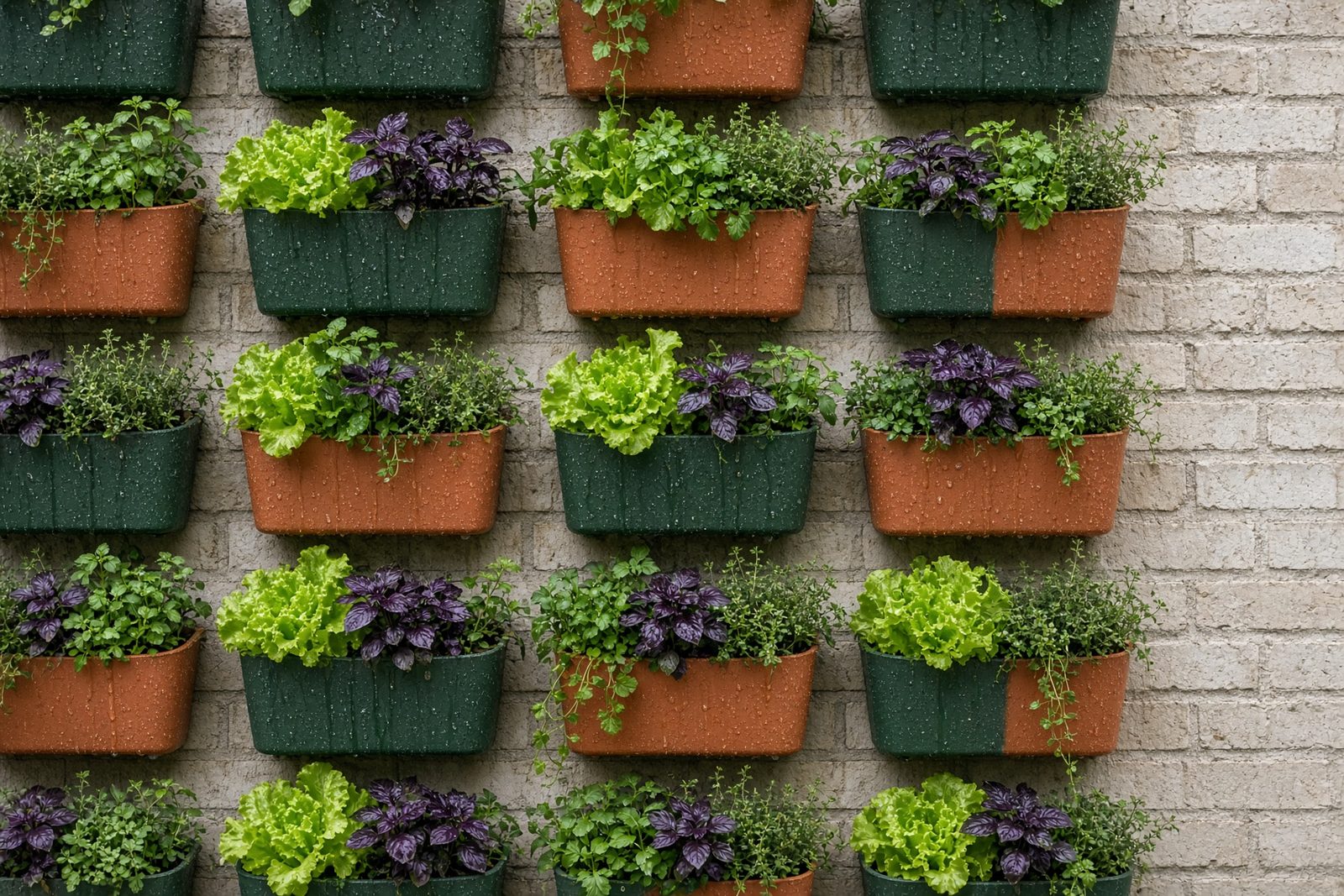
Modules become vertical systems, raised beds, and stackable kits that fit the walls and yards people already have.
People plant, harvest, and reuse the same beds season after season.
Why sorting matters
Mixed waste is useful. It is not all the same. We sort before we mould, so ornamental planters can take the hard-to-recycle stream, and food planters are reserved for safer polymers.
For non-edible planters
Hard-to-recycle mixed plastic becomes sturdy ornamental and non-food planters — keeping material in use instead of in a dump.
For growing food
Safer plastics — mainly HDPE and PP — are reserved for planters used to grow vegetables, herbs, and other edible crops.
Tell us the space, the group, and what you want to grow. We will say which system fits — and what it will take to start.
Start a conversation