Mixed plastics
For non-edible planters
Hard-to-recycle mixed plastic becomes sturdy ornamental and non-food planters — keeping material in use instead of in a dump.


South Africa · Recycled gardens
PlastiGrow Systems converts mixed plastic into durable modular planters — so township households and schools can grow food in small spaces.
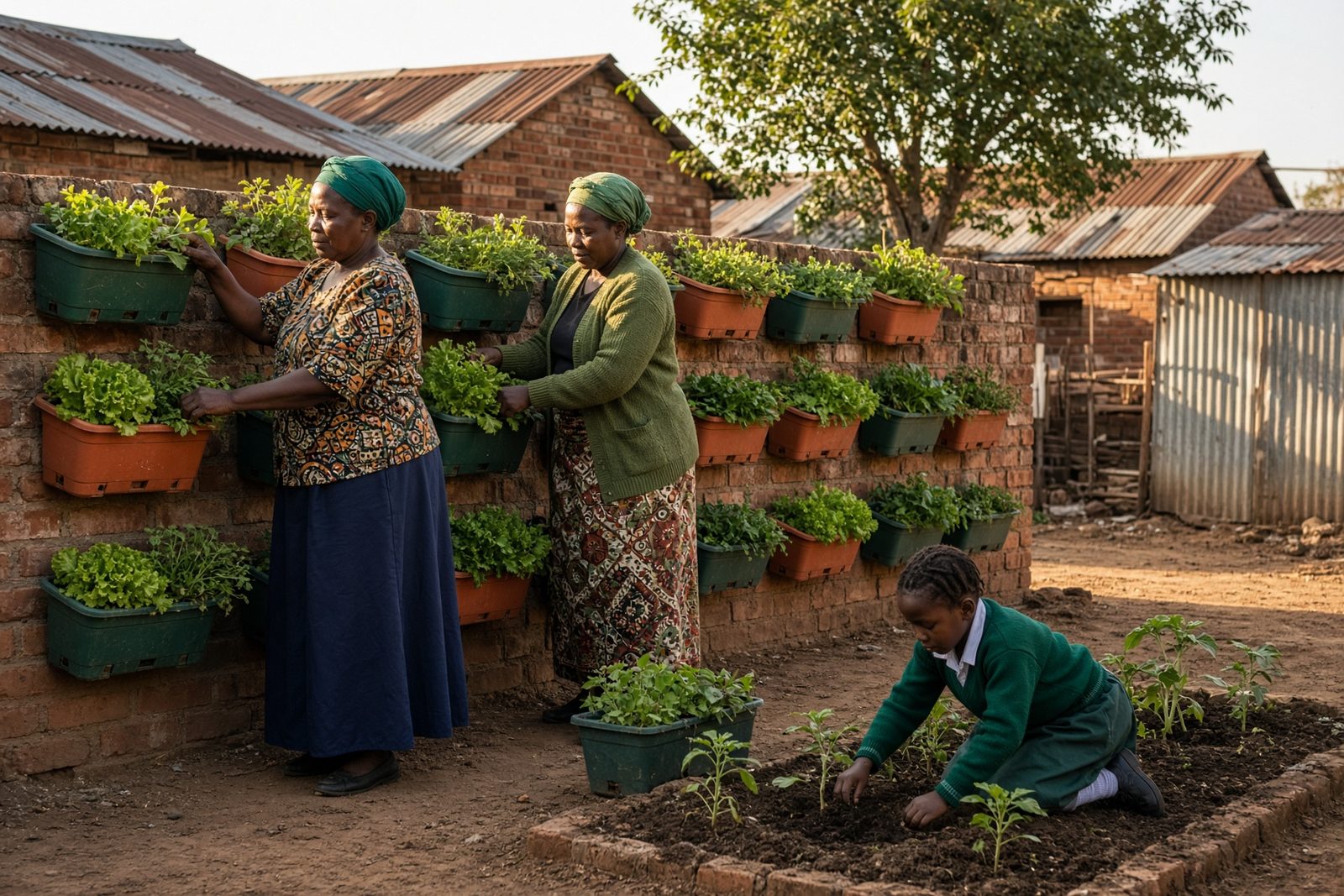
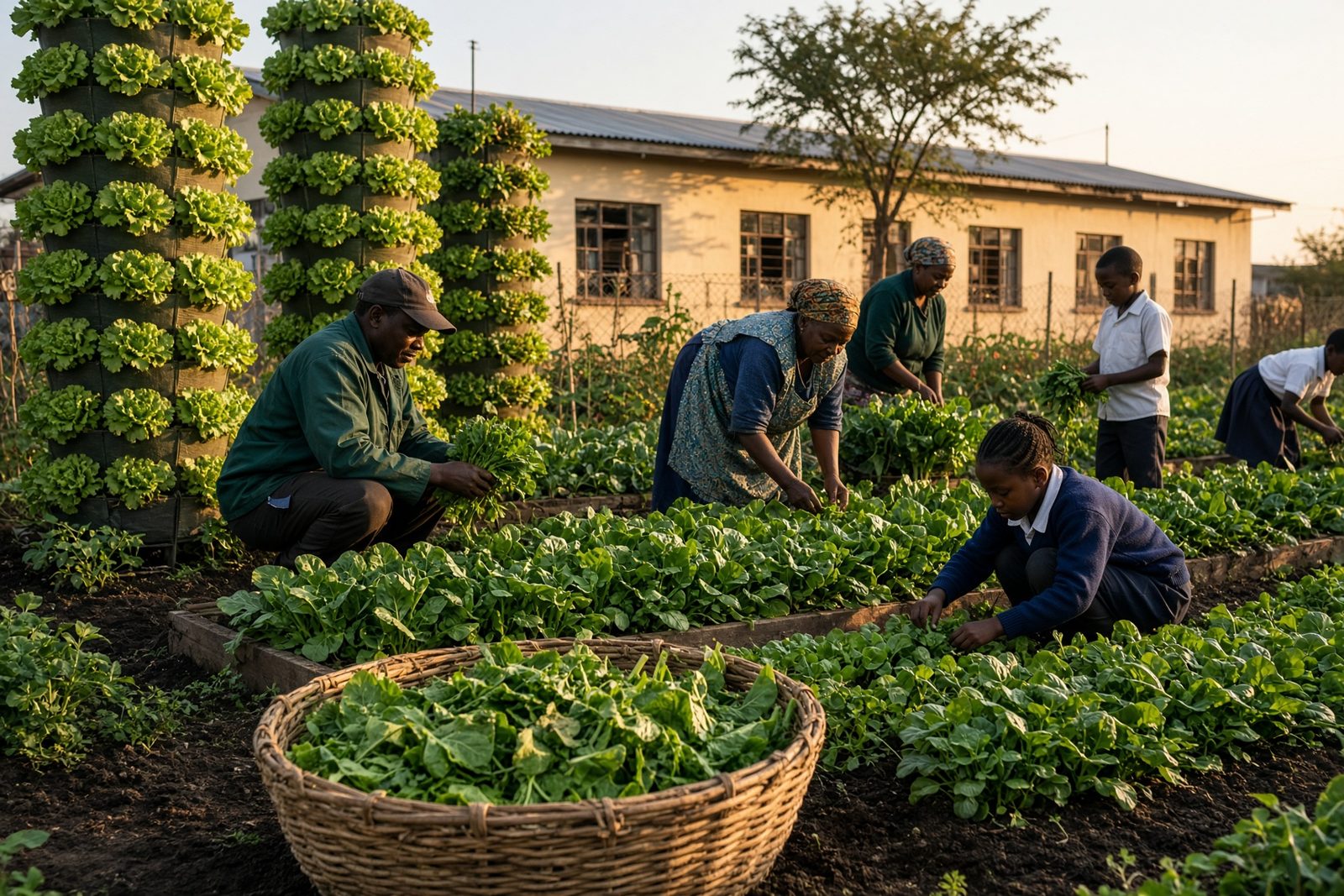
Courtyards and classroom walls become living gardens.
Township households grow food where space is tight.
Durable kits for food and waste programmes that last.
Recyclers, funders, and local businesses building with us.
The problem
South Africa faces a plastic waste crisis and a food security challenge at the same time. PlastiGrow exists because those two problems can help solve each other.
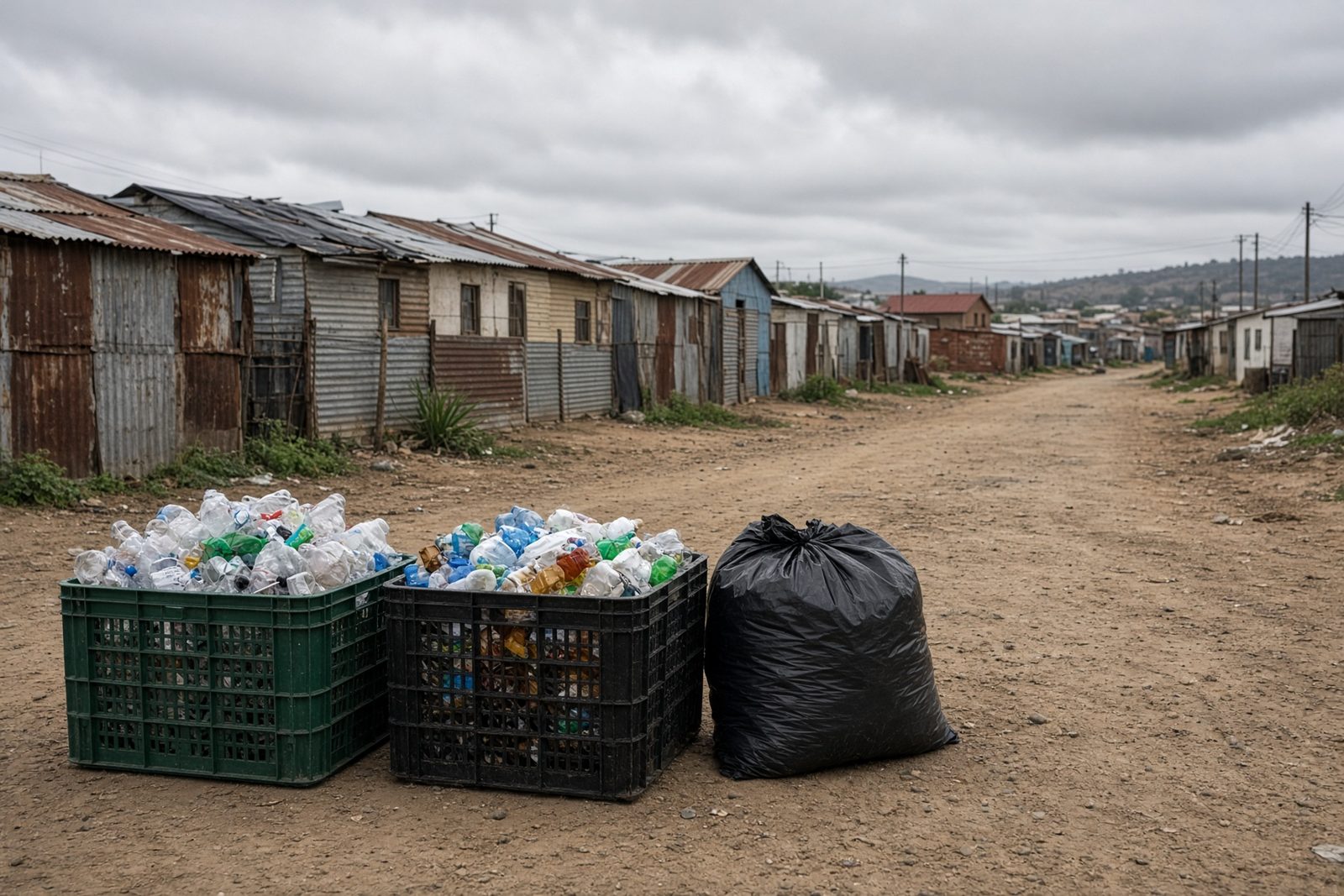
Mixed plastic piles up in streets, dumps, and waterways. It lasts for decades and is hard to reuse as-is.
Many township households and schools want to grow food — but yards are small, soil is poor, and cheap pots crack in the sun.
Our solution
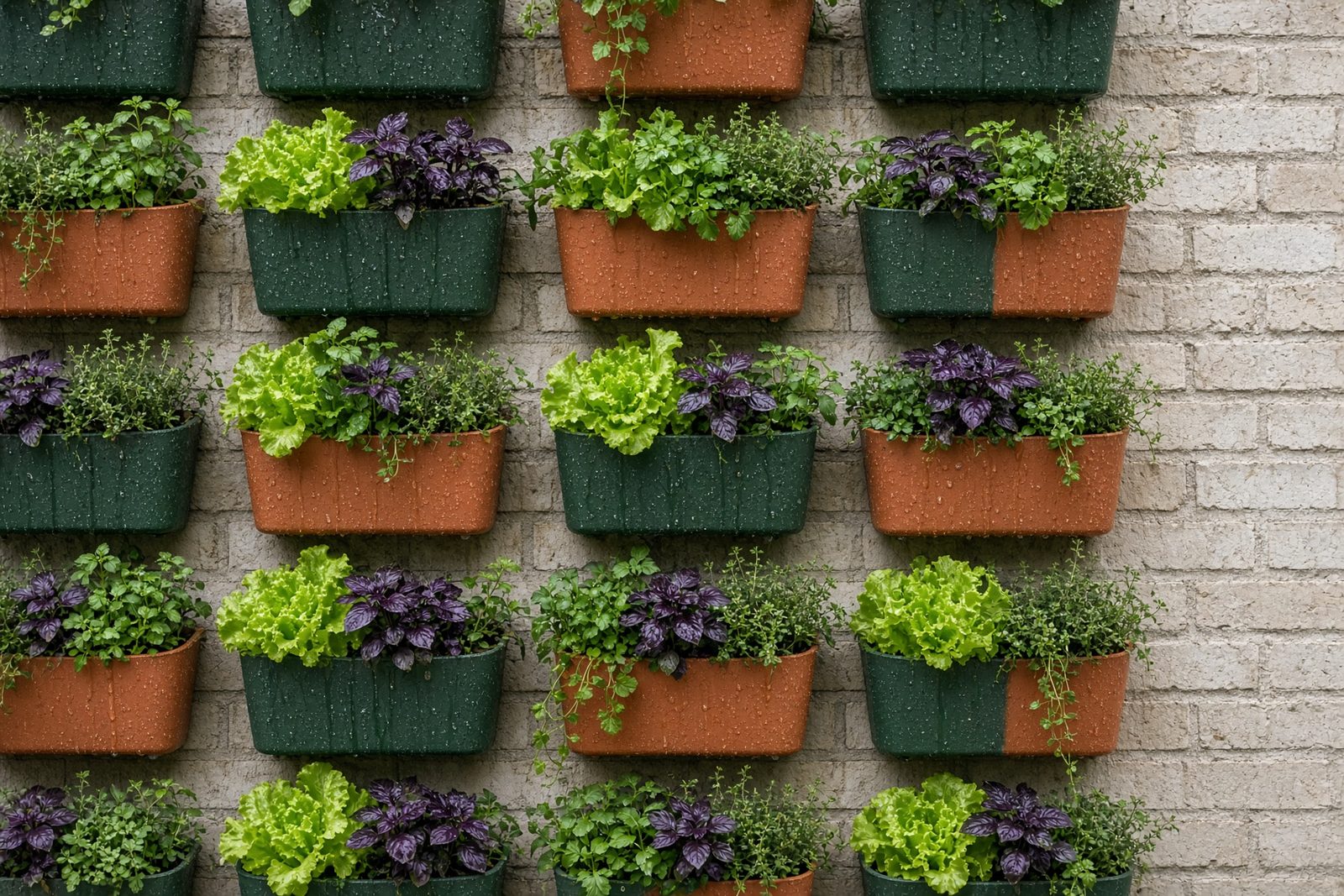
PlastiGrow turns waste plastic into vertical wall planters, raised beds, and stackable kits. They fit small yards, school walls, and courtyards — and they last.
Dual-material approach
We sort first, so the right plastic goes to the right garden.
For non-edible planters
Hard-to-recycle mixed plastic becomes sturdy ornamental and non-food planters — keeping material in use instead of in a dump.
For growing food
Safer plastics — mainly HDPE and PP — are reserved for planters used to grow vegetables, herbs, and other edible crops.
How it works
A simple loop: collect plastic, make planters, put them where food can grow, and keep using them.
We work with communities, schools, and recyclers to gather mixed plastic waste, then sort it before anything is made.
Plastic is cleaned and moulded into durable modular parts — the right polymer reserved for the right garden.
Modules become vertical systems, raised beds, and stackable kits that fit the walls and yards people already have.
People plant, harvest, and reuse the same beds season after season.
Products
Three core products. Same idea: durable, modular, and made from recycled plastic.

Grow up, not out. Pocket modules mount on walls, courtyards, and school buildings.

Sturdy beds that sit above poor or compacted soil — built to take sun, rain, and years of use.
Details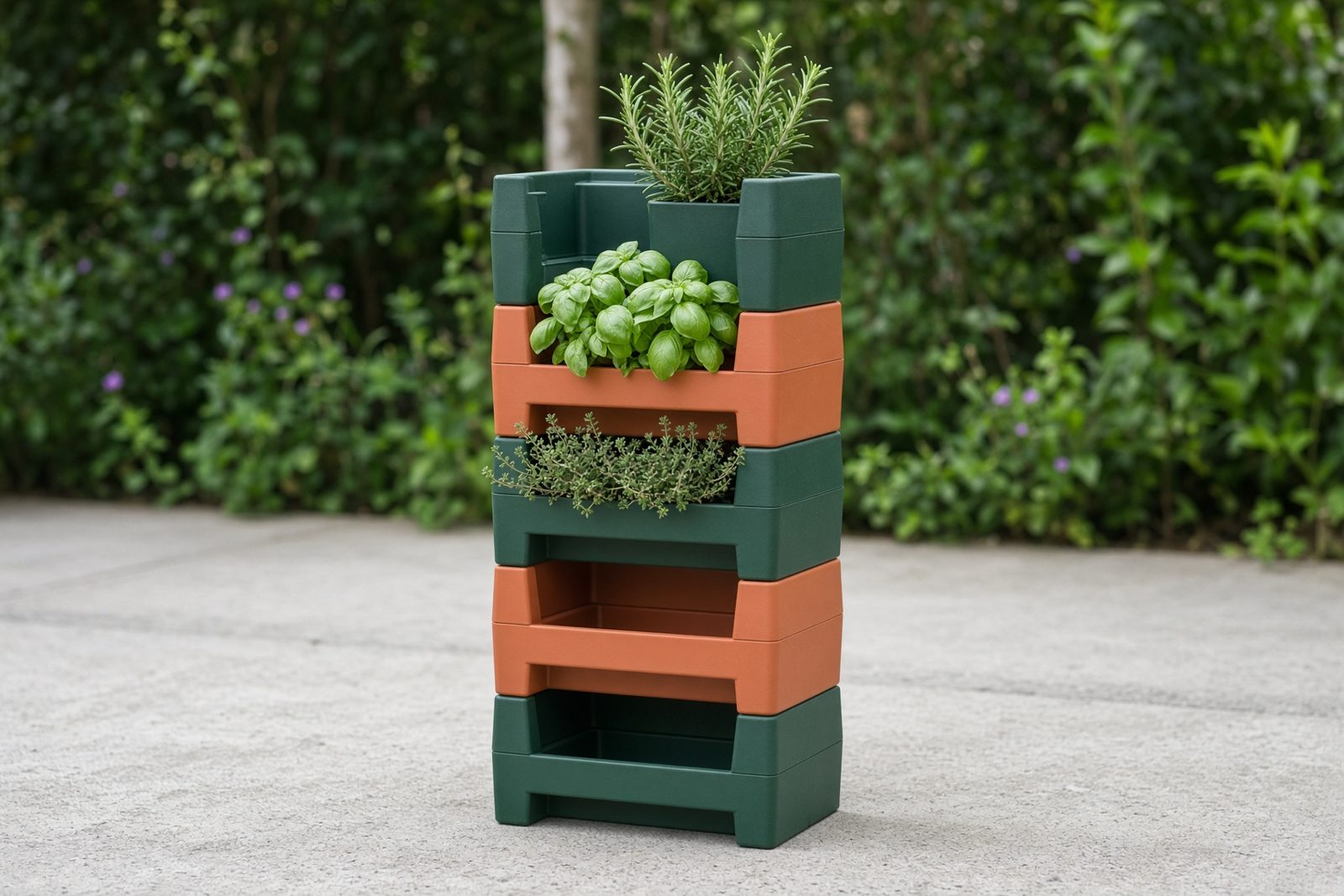
Start with one module. Add more as the garden — and the group — grows.
DetailsWaste and food, treated as one problem.
Collect, process, assemble, grow.
Walls, raised beds, and stacks.
Based in Nelspruit. Serving nationally.
Impact
Every kit does two jobs: it keeps plastic in use, and it gives people a place to plant.
Plastic is diverted from dumps and waterways and kept in use as garden infrastructure that lasts for years.
Local sorting, moulding, and assembly are built to create skills and work for young people — close to the plastic and the gardens.
Households and schools grow food close to home. Learners see waste become something useful, with their own hands.
About
Sandile Sithole, a BSc Environmental Science graduate, started PlastiGrow Systems after seeing two problems sit side by side: plastic nobody wants, and families who want to grow food but have nowhere durable to plant.
Every school and township household that wants to grow food should have a garden bed that lasts.
Contact
Schools, community groups, NGOs, and partners — tell us what you need. We read every message.